
- Your cart is empty
- Continue Shopping

BlogHome DecorLatest Trends
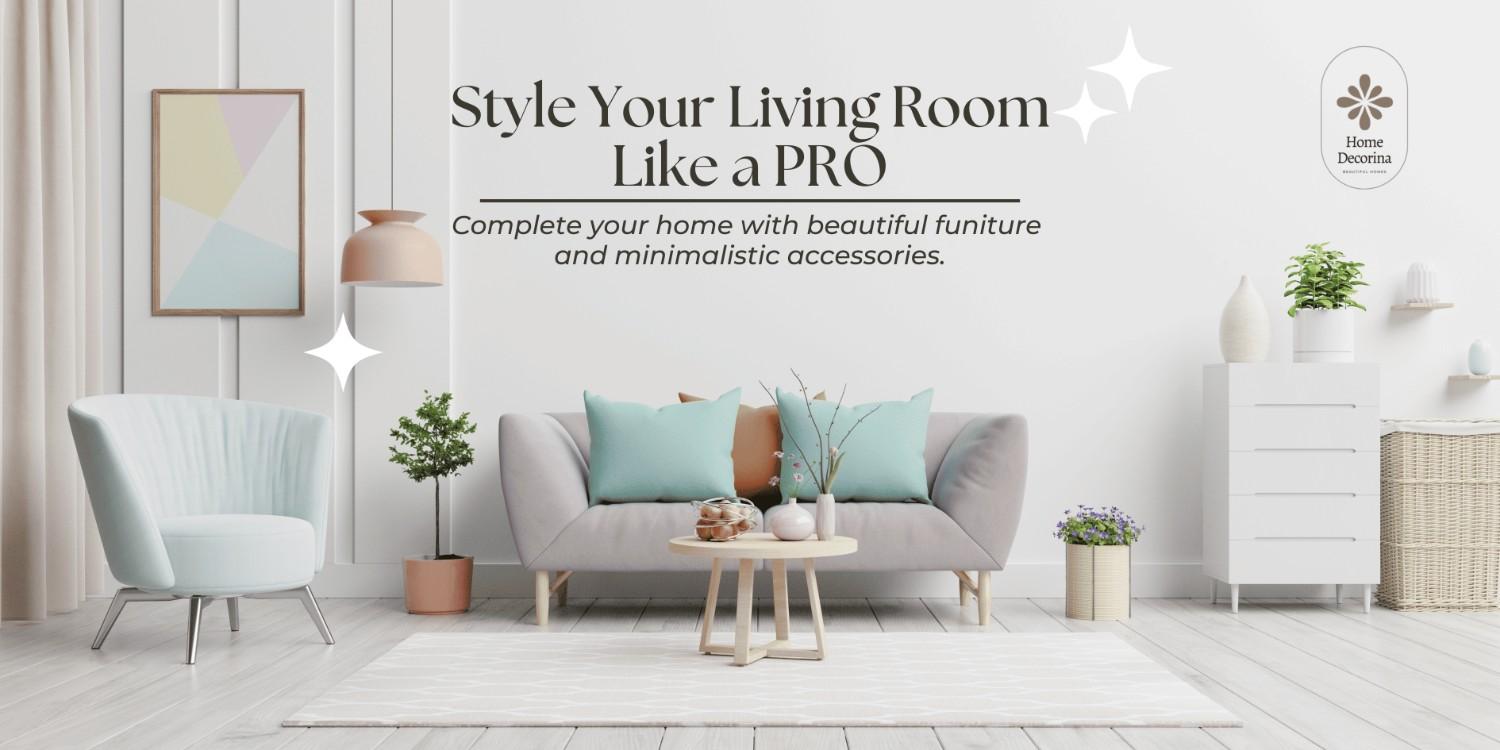
Beginner’s Guide to Styling Your Living Room Like a Pro
-
By Pallvi
- Posted on
The living room is the heart of every home. It’s where you relax after a long day, entertain guests, or spend quality time with family. Styling your living room can feel overwhelming, especially if you’re just starting out. But the truth is, you don’t need to be an interior designer to create a space that looks beautiful, feels comfortable, and reflects your personality.
In this beginner’s guide, we’ll walk you through practical steps, styling tips, and design secrets to help you style your living room like a pro—without breaking the bank.
1. Start with a Clear Vision
Before you buy furniture or paint the walls, take some time to visualize the overall look you want. Ask yourself:
- Do I want a modern, minimalist space or a cozy, rustic vibe?
- Should the room feel bright and airy or warm and intimate?
- What colors and textures inspire me?
Create a mood board with images, colors, and styles you love. Platforms like Pinterest or Instagram can help spark ideas. Having a clear vision will make decision-making easier and prevent costly mistakes.
2. Choose a Functional Layout
The way you arrange your furniture plays a big role in how your living room feels and functions. Think about the room’s focal point—this could be a fireplace, TV, or a large window. Place your seating so it naturally faces or complements that feature.
Some beginner-friendly layout tips:
- Keep traffic flow in mind: Avoid blocking pathways with bulky furniture.
- Anchor with a rug: A well-sized rug defines the seating area and ties everything together.
- Balance proportions: Pair large sofas with armchairs or ottomans for visual harmony.
3. Pick a Color Palette
Colors set the tone for your living room. Start with three main shades:
- Base color – often a neutral like white, beige, or gray for walls.
- Secondary color – adds character, e.g., navy blue, sage green, or warm taupe.
- Accent color – introduces pops of energy through cushions, throws, or art.
Pro Tip: If you’re unsure, stick to neutral walls and add personality through accessories. This gives you flexibility to update the look whenever trends change.
4. Invest in Key Furniture Pieces
Your living room should be both stylish and practical. Focus your budget on pieces that matter most:
- Sofa: The centerpiece of your living room. Choose a timeless design in a durable fabric.
- Coffee Table: Functional yet decorative—opt for one that complements your sofa style.
- Storage Solutions: Sideboards, shelves, or baskets keep clutter out of sight.
Avoid buying everything at once. Start with the essentials and gradually layer in more items as you refine your style.
5. Layer Textures for Depth
A professional-looking living room isn’t just about furniture—it’s about how everything feels together. Layering different textures adds warmth and sophistication.
Consider:
- Soft fabrics like velvet cushions or wool throws.
- Natural elements like wooden furniture or woven baskets.
- Sleek touches like glass tables or metallic accents.
Mixing textures creates a cozy yet elevated atmosphere.
6. Play with Lighting
Lighting is often overlooked, but it can make or break your living room design. Instead of relying only on ceiling lights, use a mix of ambient, task, and accent lighting.
- Ambient lighting: Ceiling lights or recessed lighting for overall brightness.
- Task lighting: Floor or table lamps for reading corners.
- Accent lighting: Wall sconces or LED strips to highlight artwork or shelves.
Warm white bulbs create a cozy glow, while cooler tones work for a modern aesthetic.
7. Style with Accessories
Accessories are the finishing touches that pull your room together. They’re also the easiest way to refresh your living room without a big investment.
Some ideas include:
- Throw pillows in contrasting patterns.
- A gallery wall with your favorite art or photos.
- Indoor plants for freshness and natural beauty.
- Decorative trays, candles, and books for your coffee table.
Remember the golden rule: less is more. Too many accessories can make the room feel cluttered.
8. Add Personality
Your living room should reflect you, not just the latest trends. Incorporate personal touches that tell your story—travel souvenirs, handmade crafts, or family heirlooms.
Mix modern furniture with vintage pieces or display books and artwork that inspire you. When your living room has a personal stamp, it feels authentic and welcoming.
9. Keep It Flexible
A pro-level living room doesn’t need to stay the same forever. Be open to changes as your lifestyle evolves. For example:
- Swap cushion covers for a seasonal refresh.
- Rearrange furniture for a new look without spending.
- Add or remove decor pieces to match your mood.
Flexibility ensures your living room always feels fresh and functional.
10. Don’t Forget Comfort
While style matters, comfort is key. Choose sofas you can actually relax on, rugs that feel good underfoot, and fabrics that are easy to maintain. A beautiful living room that isn’t comfortable won’t be enjoyed as much.
Quick Styling Mistakes to Avoid
- Overcrowding with too much furniture.
- Hanging art too high—eye level is best.
- Ignoring scale (tiny rug under a large sofa looks off-balance).
- Forgetting about storage, which leads to clutter.
Final Thoughts
Styling your living room like a pro doesn’t mean spending a fortune or hiring an interior designer. By starting with a clear vision, investing in essentials, layering textures, and adding personal touches, you can create a space that feels both stylish and uniquely yours.
Remember, the best living rooms aren’t perfect—they’re lived in. So focus on building a space that makes you happy, comfortable, and proud to welcome guests.
With these beginner-friendly tips, you’ll be well on your way to transforming your living room into a pro-styled masterpiece.
